
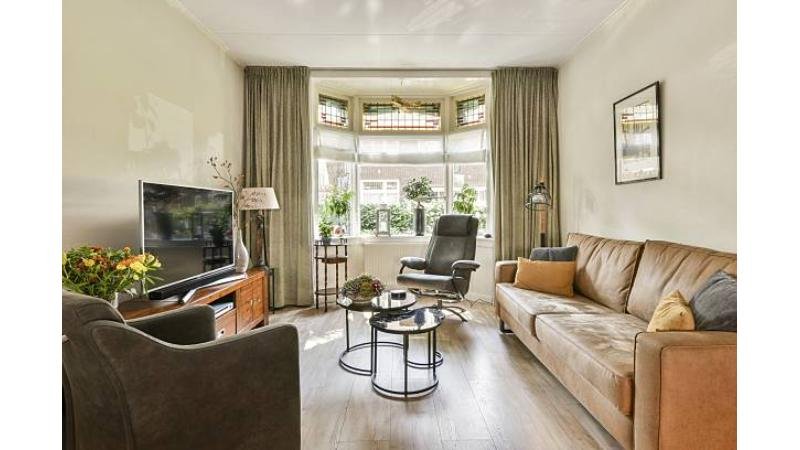
Arranging furniture in a small living room requires careful planning to balance comfort, functionality, and available space. The right furniture layout can help you create clear walking paths, organize seating, and make everyday activities more convenient. Instead of adding more furniture, focus on choosing suitable pieces and positioning them according to your room’s dimensions.
A practical small living room design considers furniture size, natural light, storage requirements, and the way people move through the room. You do not need expensive renovations to improve the functionality of a compact living area. Simple changes in furniture placement can help you use the available floor space more effectively.
1. Measure Your Living Room Before Moving Furniture
Start by measuring the length and width of your living room, along with the positions of doors, windows, and fixed fixtures. Measure your existing sofa, chairs, tables, and storage units to determine how much space they occupy. These measurements help you identify suitable furniture arrangements before moving heavy items.
Create a basic floor plan on paper or use a digital room planner to test different layouts. Mark the entrance, main walking routes, electrical outlets, and other features that need to remain accessible. This preparation makes it easier to compare options and avoid unnecessary furniture purchases.
2. Choose a Focal Point for Better Furniture Placement
A focal point gives the living room a clear visual direction and helps organize the seating arrangement. Common focal points include a television, fireplace, large window, or prominent artwork. Position the main seating to suit that feature while maintaining comfortable movement throughout the room.
Your focal point should reflect how you actually use the space rather than follow a rigid decorating rule. If you regularly watch television, orienting the sofa toward it may be practical. If conversation is your priority, arrange the seating so that people can comfortably face one another.
3. Select Furniture That Fits a Small Living Room
Large furniture can dominate a compact room and leave insufficient space for walking or additional seating. Consider a sofa with dimensions appropriate for the room, compact side tables, and chairs that do not obstruct the main pathways. Check product measurements carefully before buying furniture, including its depth and overall width.
Multifunctional furniture can provide additional utility without requiring several separate pieces. Storage ottomans, nesting tables, and benches with internal storage are examples of furniture that can serve more than one purpose. Choose these options according to your actual needs instead of purchasing features that you are unlikely to use.
4. Position the Sofa to Maximize Available Space
The sofa is often the largest item in a living room, making its position an important part of the overall layout. Placing it against a suitable wall may free up central floor space and simplify the seating arrangement. However, a floating sofa can also work in open-plan rooms where furniture helps separate different functional areas.
Keep the main walking routes clear between the entrance, sofa, and other frequently used parts of the room. Avoid arrangements that force people to squeeze between furniture or step around unnecessary obstacles. Test the layout by walking through the room and checking whether every seat is easy to access.
5. Use a Suitable Coffee Table and Area Rug
A coffee table should fit the seating arrangement without restricting movement around the sofa. Round or oval tables may be useful when people need to navigate around corners, while rectangular tables can suit longer seating areas. Choose a size that allows people to sit comfortably and reach the table without stretching excessively.
An area rug can visually connect the sofa, chairs, and coffee table into one seating zone. Before choosing a rug, consider the dimensions of the furniture group and the amount of exposed floor space. Make sure the rug does not interfere with door movement or create a tripping hazard at its edges.
6. Make Use of Vertical Space for Storage
Wall-mounted shelves and vertical storage units can help organize belongings without occupying as much floor space as additional cabinets. Floating shelves may hold books, small decorative objects, and everyday essentials when installed appropriately. Ensure that shelves are securely attached and suitable for the weight of the items placed on them.
Closed cabinets, baskets, and storage ottomans can help keep frequently used belongings organized. Assigning specific places for remote controls, blankets, magazines, and other items reduces clutter on tables and seating. Select storage solutions that are easy to access and do not obstruct doors, windows, or walking paths.
7. Improve Lighting and Natural Brightness
Natural light can make a living room feel brighter, so avoid blocking windows with unnecessarily large furniture. Suitable curtains and window treatments can provide privacy while allowing the desired amount of daylight into the room. Mirrors may also reflect available light and create a greater sense of visual depth, depending on their placement.
Use a combination of general lighting and task lighting to support different activities in the living room. A compact floor lamp, table lamp, or wall-mounted fixture can illuminate a seating area without requiring multiple bulky lights. Keep electrical cords organized and position lighting fixtures where they will not interfere with normal movement.
8. Use Colors and Decorations Thoughtfully
A coordinated color palette can help furniture and accessories look visually connected. Light-colored walls and furnishings may contribute to a brighter appearance, particularly when the room receives adequate natural or artificial light. Darker colors can also work in compact rooms when used according to the desired style and overall lighting conditions.
Avoid filling every available surface with decorative objects. A carefully selected artwork, a few cushions, and limited accessories can add character without creating unnecessary visual clutter. Leave some open space around furniture and decorations to maintain a balanced appearance.
9. Small Living Room Furniture Arrangement: A Practical Example
Consider a hypothetical rectangular living room with one entrance, a window, and limited floor space. A compact sofa could be positioned along a suitable wall, with a small coffee table in front and one lightweight chair beside the seating area. Wall-mounted shelves could provide additional storage while leaving more of the floor available for movement.
This illustrative layout shows how furniture placement can be planned around room dimensions and daily activities. The final arrangement would depend on the actual position of the windows, doors, electrical outlets, and existing furniture. Before settling on a layout, test the walking paths, check access to storage, and make sure the seating feels comfortable.
10. Common Furniture Arrangement Mistakes to Avoid
Buying furniture without measuring the room can result in pieces that overwhelm the available space. Adding too many chairs, side tables, and decorative units may also make movement difficult. Measure the room first and prioritize furniture that serves a clear purpose.
Another common mistake is assuming that every piece must be placed against a wall. Some rooms benefit from a floating seating arrangement, while others work better with furniture positioned around the perimeter. Compare different layouts according to the room’s shape, circulation, and intended use instead of following one universal rule.
Frequently Asked Questions
How can you arrange furniture in a small living room with a TV?
Position the television where it can be viewed comfortably without unnecessarily blocking windows or walking routes. Arrange the sofa and any additional seating to provide suitable viewing angles for the room. Check screen reflections, furniture spacing, and access to electrical connections before finalizing the layout.
Should furniture be placed against the walls in a small living room?
Placing furniture against the walls can help preserve central floor space in many compact rooms. However, a floating sofa or chair arrangement may work better when the room has an open-plan layout. The most suitable choice depends on room dimensions and how people move through the space.
What furniture is suitable for a small living room?
Compact sofas, nesting tables, storage ottomans, and appropriately sized shelving can be useful for smaller spaces. Multifunctional furniture may reduce the need for separate pieces when it meets more than one household requirement. Always check dimensions and choose items that support your everyday activities.
How can I make a small living room look bigger?
Keep unnecessary furniture to a minimum and maintain clear walking routes between the main areas. Suitable lighting, mirrors, coordinated colors, and uncluttered surfaces can help create a more open visual impression. These changes can influence how spacious a room feels, although they do not increase its physical dimensions.
How much furniture should a small living room contain?
There is no universal number of furniture pieces that works for every small living room. The appropriate amount depends on room dimensions, household size, seating requirements, and other activities performed in the space. Include the essential pieces first and add extra furniture only when the layout can accommodate it comfortably.
Conclusion
Arranging furniture in a small living room becomes more manageable when you focus on measurements, movement, seating comfort, and practical storage. A suitably sized sofa, a well-planned focal point, compact tables, and appropriate lighting can help improve the use of limited space. Testing different arrangements before purchasing new furniture can also prevent avoidable expenses.
The goal is not to fill every corner but to create a living room that supports your daily activities. Keep the main pathways clear, select furniture that fits the room, and organize belongings so that surfaces remain usable. With thoughtful planning, a compact living room can provide comfortable seating and an organized environment without unnecessary clutter.